Resin Supplier
Nationwide Supplier of Resin
Reinforced Plastics Lab is a trusted resin supplier. We have a great selection of resins that we proudly distribute to customers around the country. Many of the materials we have on our site can be purchased at great wholesale rates. And since we are a nationwide resin supplier, we offer our customers a great selection of resin products.
Please check out our selection of resins. Among our great selection of resins includes epoxy resin, polyester resin and general-purpose laminating resin. We also have other great materials, such as urethane foam.
Our Resins
And contact us today to learn more about resin and how we can become your trusted supplier. We will gladly answer any questions or concerns you may have about us being your resin supplier. Request a quote regarding any of the products or materials you are looking to purchase.
What Is Resin?
Resin is a versatile material that has been used for centuries in everything from protective coatings and varnishes to adhesives, decorative finishes, art, manufacturing, and restoration. The term resin can refer to naturally occurring substances produced by plants as well as modern synthetic materials manufactured for specific applications.
In general, a resin can exist as a solid, semi-solid, or highly viscous substance. Natural resins are produced by certain plants, particularly trees, and are made up of complex organic compounds. Synthetic resins, on the other hand, are manufactured through controlled chemical processes and are designed to provide specific characteristics such as durability, adhesion, flexibility, chemical resistance, or a particular appearance.
Common Uses for Resin
Because resin can be formulated with a wide range of physical properties, it has become an important material for many different applications. Depending on the type of resin, common uses include:
- Protective coatings and finishes
- Varnishes and lacquers
- Adhesives and bonding materials
- Decorative and artistic applications
- Composite materials
- Mold making and casting
- Industrial coatings
- Wood and furniture finishing
- Jewelry and decorative objects
- Restoration and conservation
- Manufacturing and construction applications
Resins are particularly useful when a project requires a material that can create a protective, durable, or visually appealing surface.
Types of Resins We Supply
Most plants produce resin that is composed mainly of terpenes and derivatives. Terpenes have a strong odor and can protect plants by stopping herbivores due to the smell. The smell also attracts predators and parasites of herbivores. This mechanism allows for plants to avoid consumption by possible animals. There are also fossil resins, like amber, which comes from trees.
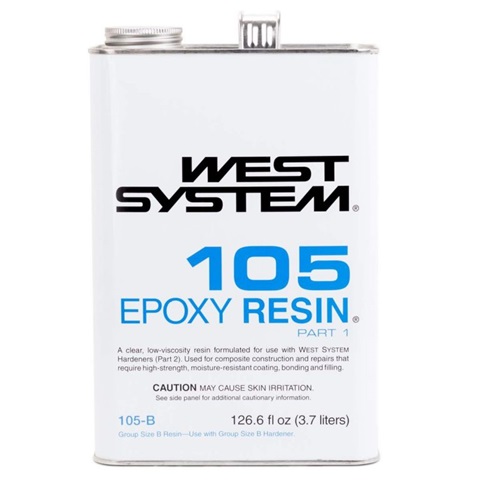 There are two different types of resins:
- Plant Resin
- Synthetic Resin
We have both types of resin in stock, because we pride ourselves on being a trusted resin supplier. Read more about these resins below.
Plant Resins
Let's start with the plant resins. A material that gets it value from their production of varnishes, adhesives and food glazing agents. They can also synthesize in the creation of other organic compound, which makes them a sought-after raw material. The oldest known use of a plant resin is as an adhesive for stone tools. That occurred during the Middle Stone Age in Southern Africa. Hard to argue its value when it has been around for that long.
Hard and transparent resins are also part of the plant resin family. These include resins such as:
These resins are typically used for varnishes and adhesives. Whereas softer resins, like turpentine and frankincense, are used for food and incense and therapeutic purposes. Some resins have the capability to flavor certain foods. A plant resin is natural. Many different applications safely use it.
Synthetic Resins
Let's start with synthetic resins. These are resins which are materials that have properties similar to natural plant resins. There are many materials that are produced by the conversion of synthetic resins to solids. There are different classes of this sort of resin. Some can be manufactured by the esterfication of organic compounds. Some are thermosetting plastics. And some are both. The process and hardening of these resins vary and are ultimately the determining factor to how they are classified.
Choosing the Right Resin
There is no single resin that is appropriate for every application. When selecting a resin, it is important to consider factors such as:
- The intended application
- Required strength and durability
- Flexibility or rigidity
- Adhesion requirements
- Transparency and color
- Curing time
- Temperature resistance
- Moisture and chemical resistance
- Compatibility with existing materials
- Long-term stability
For specialized applications, working with an experienced resin supplier can make it easier to identify a material that meets the specific requirements of the project.